

Yin and Yang of Personal Finance

Yin and Yang of Personal Finance
SUCCESS IS GETTING WHAT YOU WANT. HAPPINESS IS WANTING WHAT YOU GET. — Dale Carnegie Imagine for a moment that you are in a large room filled with financial planners. They are not like your Uncle Harry or Cousin Sally, who pride themselves on being financially savvy, periodically giving you hot stock tips and advice on managing your credit cards.…
Read More


Voices The art of asking: How the right questions, worded precisely, can help older clients

Financial Advisor with Elderly Clients
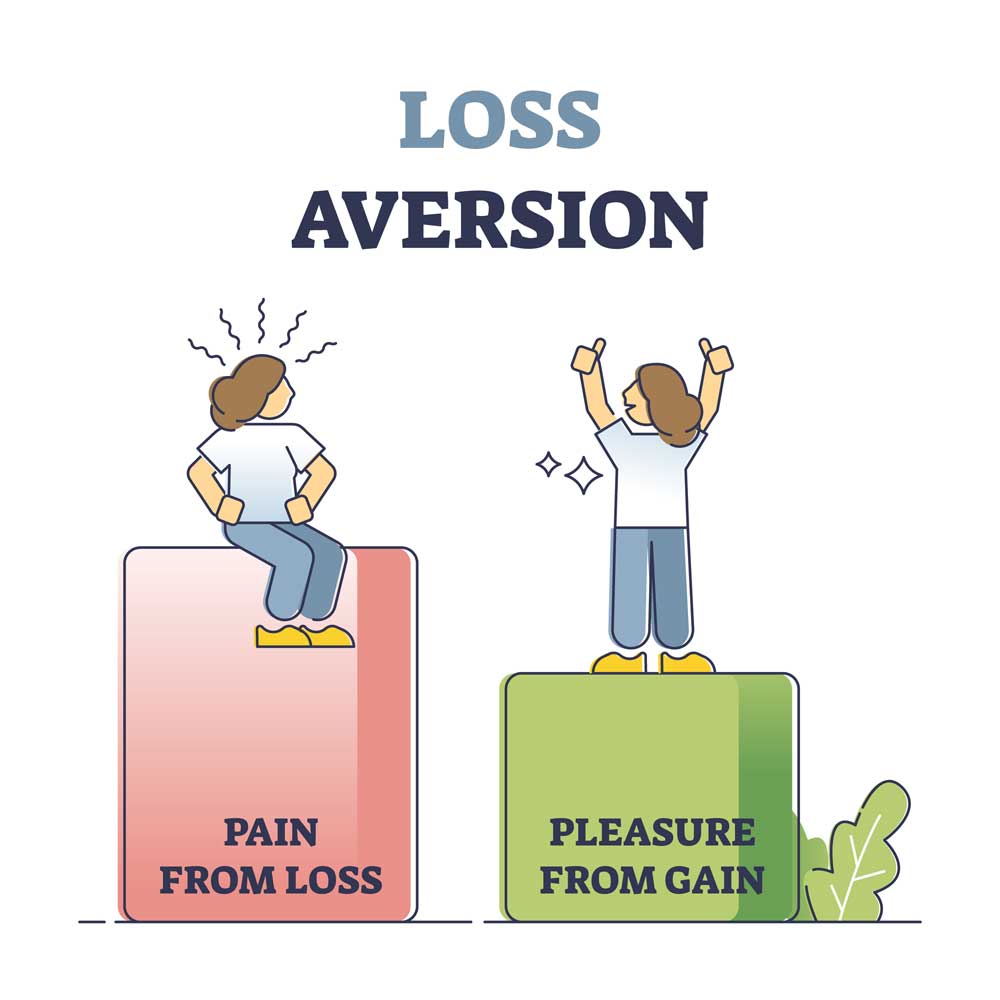
By Lyle Sussman, David Dubofsky November 30, 2023, 6:00 a.m. EST 3 Min Read Loss aversion, one of the major behavioral finance biases, is often defined as the pain of losing an amount of money exceeding the pleasure of gaining that same amount of money. It also refers to the reluctance of investors, and individuals in general, to realize losses,…
Read More

Asset Allocation 101

Asset Allocation - Planning for long term success
Asset allocation, at its most basic level, is deciding how to spread (allocate) the risk across your investment portfolio: stocks vs. less-risky instruments such as bonds and certificates of deposit (CDs). These decisions will be the primary determinant of your investment performance; i.e., your portfolio’s rate of return. Beyond this seemingly simple decision, you must consider how much to invest in domestic stocks, international…
Read More

Understanding Our Regrets Today Can Improve Our Financial Tomorrow

Understanding Our Regrets Today Can Improve Our Financial Tomorrow
Understanding Our Regrets Today Can Improve Our Financial Tomorrow Feelings of regret, especially about financial decisions or inaction, are universal, but it’s possible to turn them into life’s best positives. BY H. DENNIS BEAVER, ESQ. PUBLISHED 7 HOURS AGO “‘Jerry,’ my 65-year-old father, is beating himself up over failing to get out of the stock market months ago when it was so…
Read More

Smart People Doing Stupid Things: Decision Making Biases of Both Clients and Their Advisors

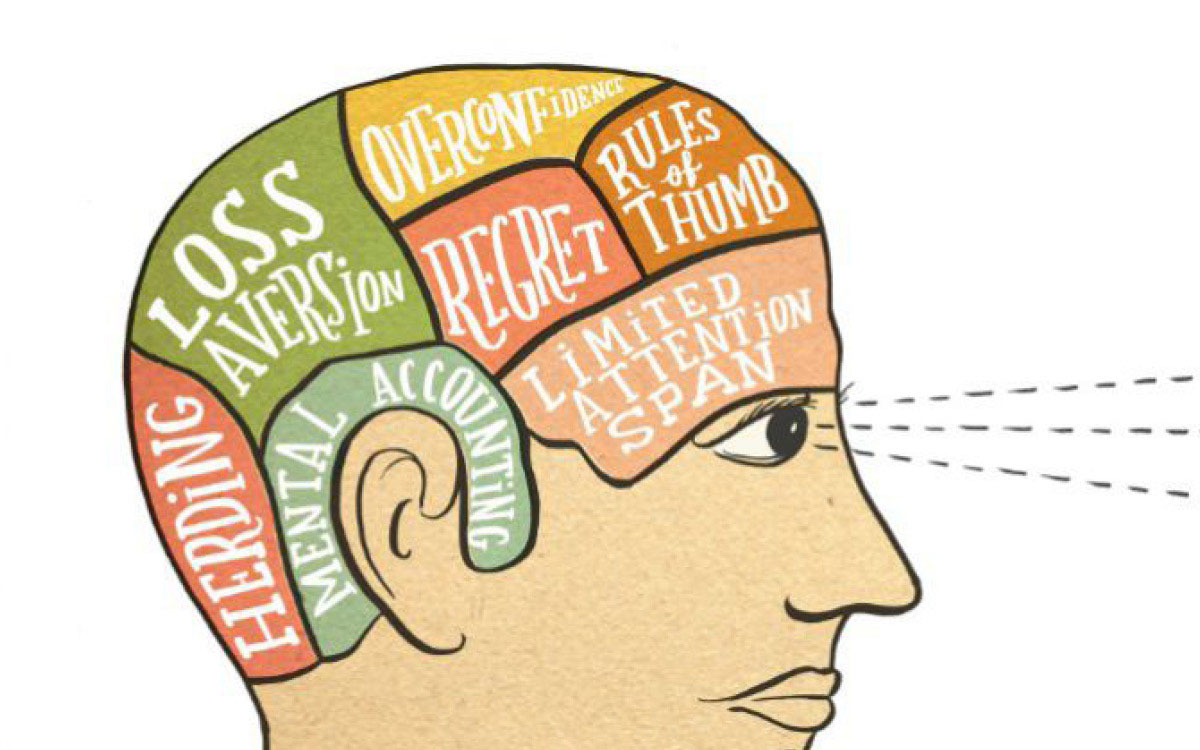
Financial advisors know that their clients often make investment decisions that may not be purely rational. But because both are human, those advisors are subject to the same cognitive and psychological biases, and irrational decisions as their clients. However, because of their professional training and status, advisors may believe they are immune from irrational biases. This FPA Knowledge Circle Presentation…
Read More